
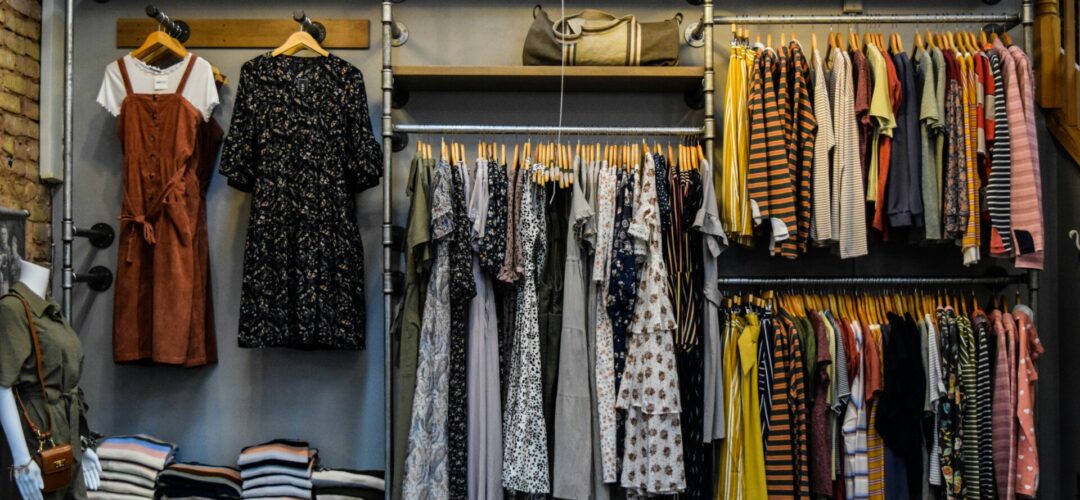
The fashion industry is at an inflection point. Built on a linear model of rapid production and disposal, today’s apparel ecosystem generates significant environmental and social impacts – from resource depletion and water overuse to mounting textile waste and pollution. As regulatory pressures intensify and consumer expectations shift, leading brands and investors are rethinking how value is created – moving beyond “take-make-waste” toward more resilient, regenerative systems that embed sustainability from design through end-of-life.
In Redesigning Fashion’s Future, SLR explores how circular business models – centered on durability, reuse, repair, and recycling – are redefining competitive advantage across the industry. Drawing on market data, case studies, and industry insights, the paper outlines how circularity can reduce environmental impact while unlocking new revenue streams, improving supply chain efficiency, and positioning companies for a more regulated and resource-constrained future. For brands, investors, and operators alike, the message is clear: those who invest in circular systems today will be best positioned to lead tomorrow’s fashion economy.